
Views: 14 Author: Site Editor Publish Time: 2025-09-09 Origin: Site

Use a leave-in conditioner on dry hair only if its label permits that application. Do not substitute a rinse-out conditioner. Check the specific product instructions, rather than assuming every conditioner works the same way.
Key points: Confirm the product is a leave-in formula, check dry-hair directions, start small, and keep it off the scalp.
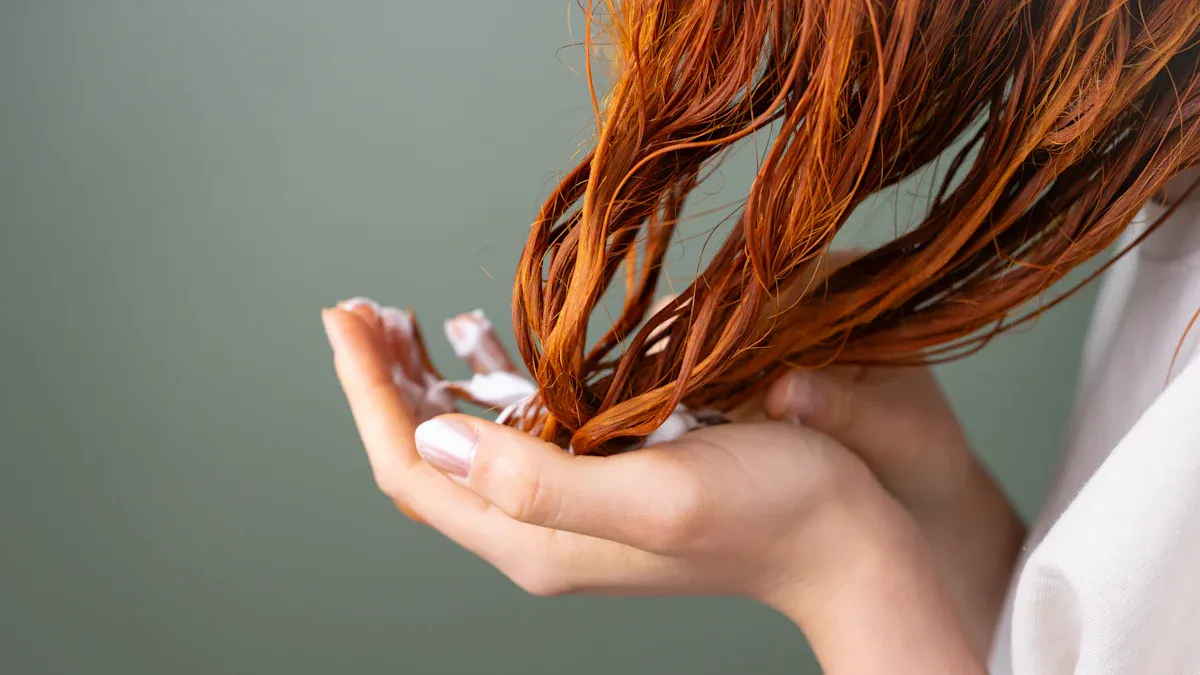
Choose a product labeled for leave-in use and suitable for your hair type. Follow its application directions.
Let’s look at some safe ingredients you should check for in your leave-in conditioner. These ingredients work well for dry hair and help keep it healthy:
Ingredients | Description |
|---|---|
Shea Butter | Moisturizes and nourishes hair |
Aloe Vera Gel | Hydrates and soothes dry hair |
Coconut Oil | Adds moisture and shine |
Jojoba Oil | Mimics natural oils in hair |
Honey | Provides moisture retention |
Coconut Milk | Nourishes and hydrates |
Essential Oils | Adds fragrance and extra benefits |
An ingredient list alone does not establish safety or suitability. Natural ingredients can also cause reactions; follow the finished product label.
You may ask, how does leave-in conditioner work on dry hair compared to wet hair? Here’s a quick look:
Application Method | Benefits |
|---|---|
Dry Hair | May refresh hair when used as directed. |
Wet Hair | Locks in moisture and aids in detangling, making hair easier to manage. |
Leave-in conditioner gives your hair a boost of hydration whether you use it on dry or wet hair. On dry hair, it helps refresh and soften strands. On wet hair, it helps lock in moisture and makes detangling easier.
Tip: Always start with a small amount of leave-in conditioner. You can add more if your hair feels dry or needs extra care.
You may wonder when to use leave-in conditioner on dry hair. There are several times when this can help your hair look and feel its best. Here are some common scenarios:
After a blowout, you want to extend your style before going back to natural curls.
Fresh from a salon treatment, you need to refresh curls without washing your hair again.
Post-shampoo, you want to detangle and set your hair for styling later.
Leave-in conditioner works well in these situations. You can use it to add long-lasting hydration, improve manageability, protect from damage, and tame frizz or smooth out tangles.
If you ask yourself, can i put leave-in conditioner on dry hair after styling? Yes, you can. It helps keep your hair soft and shiny between washes. You may also use it when your hair feels dry or looks dull.
Note: Only rely on heat protection when the specific product label makes that claim.
You now know when to use leave-in conditioner for the best results. Try it after styling, before bed, or anytime your hair needs a quick refresh. Your hair will thank you for the extra care!
You may wonder how leave-in conditioner is different from hair conditioner. The biggest difference is how you use them and what they do. Check out this table to see how each one works:
Feature | Leave-in Conditioner | Hair Conditioner |
|---|---|---|
Rinsing | Not rinsed out, stays in hair | Rinsed out after use |
Consistency | Lighter formulation | Richer, denser consistency |
Purpose | Tames frizz, adds shine, detangles | Rehydrates, moisturizes, restores pH |
Ingredients | Gentle, lightweight, non-greasy | Rich, intense moisturizing |
Usage | Used between washes | Used after shampooing |
Leave-in conditioner is light and does not make hair heavy. You keep it in your hair all day, so it keeps working. It helps stop frizz and makes tangles easier to fix. Hair conditioner is thicker and gives your hair deep moisture. You rinse it out after a few minutes. You use hair conditioner right after you shampoo to make hair soft and balanced.
Tip: If your hair gets frizzy or tangled during the day, leave-in conditioner can help smooth your hair without making it oily.
You use hair conditioner when your hair needs more moisture after shampooing. Put it on wet hair, wait a few minutes, then rinse it out. This step helps your hair feel soft and healthy.
Leave-in conditioner is best when you want extra protection or need to refresh your style. You can use it on damp hair after washing or on dry hair between washes. It keeps your hair hydrated and makes styling easier. You might use leave-in conditioner if your hair feels dry or looks dull.
Hair conditioner is good for deep moisture after you shampoo.
Leave-in conditioner helps with tangles, frizz, and shine all day.
You can use leave-in conditioner to fix your hair anytime, even if you did not wash it.
If you want your hair to stay soft and easy to manage, try using both products. Use hair conditioner after shampooing, then add leave-in conditioner for extra care.
You want your hair to feel soft and healthy every day. Leave-in conditioner helps you keep moisture inside your hair. This is one of the main benefits of leave-in conditioner. When you use a hydrating leave-in conditioner, you help your hair stay hydrated after you wash it. The product seals in the extra moisture you get from your shower or other treatments. Some formulas use plant proteins and cereal extracts to lock in hydration and stop dryness before it starts.
Some leave-in products offer heat protection; others do not. Check the packaging before using hot tools.
Tip: Try a hydrating leave-in conditioner if your hair feels dry or brittle. You will notice a difference in softness and strength.
Frizz and flyaways can make your hair look messy. Leave-in conditioner helps you fight both. It works by smoothing the hair cuticle and keeping each strand in place. This makes your hair look neat and shiny. The benefits of leave-in conditioner really show when the weather is humid or windy. The product acts as a barrier, stopping humidity from making your hair puff up or get frizzy.
Tames frizz for a polished look
Controls flyaways for smoother styles
Keeps hair looking fresh even on busy days
Leave-in conditioner makes styling your hair much easier. You can detangle knots without pain. This is great for curly, thick, or textured hair. The product helps you comb or brush your hair with less breakage. It also preps your hair for heat styling, curling, or blowouts. You get more flexibility and less damage.
A good leave-in conditioner adds softness and shine. Your hair feels smooth and looks healthy. If you have fine or straight hair, use a small amount on the ends for volume. For curly or coily hair, apply more and scrunch to boost your curls. No matter your hair type, you will find that leave-in conditioner makes your hair easier to manage and style.
If you want to know how to use leave-in conditioner on dry hair, you’re in the right place. You can refresh your style and add moisture without washing your hair. Here’s a simple step-by-step guide to help you get started:
Choose a leave-in conditioner that matches your hair type. Spray formulas work well for fine hair, while creams suit thick or curly hair.
Aim the nozzle at the mid-lengths and ends if you use a spray. For creams or lotions, start with a dime-sized amount.
Gently apply leave-in conditioner to the mid-lengths and ends. You can use a bit more for thick or textured hair.
If you want to control flyaways, dab a small amount near your hairline or roots.
Use a wide-tooth comb or your fingers to spread the product evenly and detangle your hair.
Let your hair air dry for a natural finish. You can also use a blow dryer with a round brush for instant smoothness.
Tip: Mist leave-in conditioner all over your dry hair, but avoid the scalp to prevent buildup.
Follow the product’s frequency instructions; reduce use if your hair feels heavy or greasy.
Note: Listen to your hair. If it feels heavy or greasy, use less product or space out applications.
You want your hair to feel soft and light, but sometimes leave-in conditioner can cause buildup. This happens when you use too much product or apply it to dirty hair. Always start with clean, freshly washed hair before using leave-in conditioner on dry hair. If you skip this step, your hair may look dull or feel sticky. Remember, leave-in conditioner works best as part of a full routine. You should not rely on it alone for hydration. Try to use other moisturizing products and get regular trims to keep your dry hair healthy.
Applying leave-in conditioner to dirty hair can make buildup worse.
Only using leave-in conditioner for moisture may not be enough for dry hair.
Skipping trims can lead to split ends and unhealthy hair.
Sometimes, leave-in conditioner can make your dry hair feel greasy. You might notice your hair feels heavy or oily after a few hours. Your hair could lose volume and look flat. The roots may show product buildup, which can make your scalp itchy or uncomfortable. If you leave the conditioner in for too long, your hair might look unwashed and oily. To avoid this, use a small amount and focus on the mid-lengths and ends of your dry hair.
Hair feels greasy or heavy after using too much product.
Hair looks flat and lifeless.
Roots may itch or look oily.
You can get the best results from leave-in conditioner by avoiding a few common mistakes. Always pick a product made for your hair type. Do not apply leave-in conditioner to your roots. Focus on the mid-shaft to ends of your dry hair. Make sure you spread the product evenly. Using too much can weigh your hair down and make it greasy. If you skip detangling after applying leave-in conditioner, your dry hair may not get the full benefit.
Choose the right leave-in conditioner for your hair.
Avoid putting product on your roots.
Spread the conditioner evenly.
Use only a small amount.
Detangle your hair after applying.
Tip: Listen to your hair. If it starts to feel heavy or greasy, use less leave-in conditioner or wash your hair more often.
Dry or textured hair can feel rough and hard to style. You want your hair to look soft and shiny. Here are some easy tips from stylists to help you use leave-in conditioner:
Try a leave-in conditioner like MOCHEQI. It helps curls and gives you more ways to style your hair.
Use leave-in conditioner often with natural oils like coconut, argan, or olive oil. This makes your hair shiny and helps stop frizz.
After you wash your hair, put on a protective leave-in conditioner. This keeps moisture in and helps your hair stay healthy.
Detangle your hair when it is still wet. Use a wide-tooth comb or your fingers. This stops breakage and makes styling easier.
Tip: If your hair feels very dry, add a few drops of oil after your leave-in conditioner for extra moisture.
Choose a specific leave-in formula, not a brand name alone:
| Product Check | What to Confirm |
|---|---|
| Application | Labeled leave-in, with directions for your intended use |
| Hair type | Formula matches your hair needs |
| Heat styling | Heat-protection claim on that specific product |
You can use leave-in conditioner with other hair care steps. Start with leave-in conditioner after you wash your hair to add moisture. If you use heat tools, use a heat protectant to stop damage and frizz. Always read the label to know how often to use your leave-in conditioner. Your hair will be healthier with this extra care!
You can use leave-in conditioner on dry hair. It helps add moisture and makes styling easier. Here are some main benefits:
Benefit | Why It Matters |
|---|---|
Moisturizing | Helps hair stay soft and easy to brush |
Heat Protection | Only if stated on the specific product label |
Split End Prevention | Helps stop hair from breaking |
Use the right amount for your hair type. Be careful not to use too much, so you do not get buildup. This way, your hair can look shiny and healthy every day!
Use it at the frequency stated on its label. Adjust the amount if your hair feels greasy or heavy.
No, if you use the right product and apply it to the ends. Avoid putting too much near your roots.
Spray or rub a small amount on your hands.
Work it through the mid-lengths and ends.
Comb gently for even coverage.
Further reading: American Academy of Dermatology: Leave-in conditioner tips; FDA: Ingredient origin and safety. Compare rinse-out, leave-in and deep-conditioning timing, or explore professional shampoo and conditioner supply.


