
Views: 20 Author: Site Editor Publish Time: 2025-09-09 Origin: Site

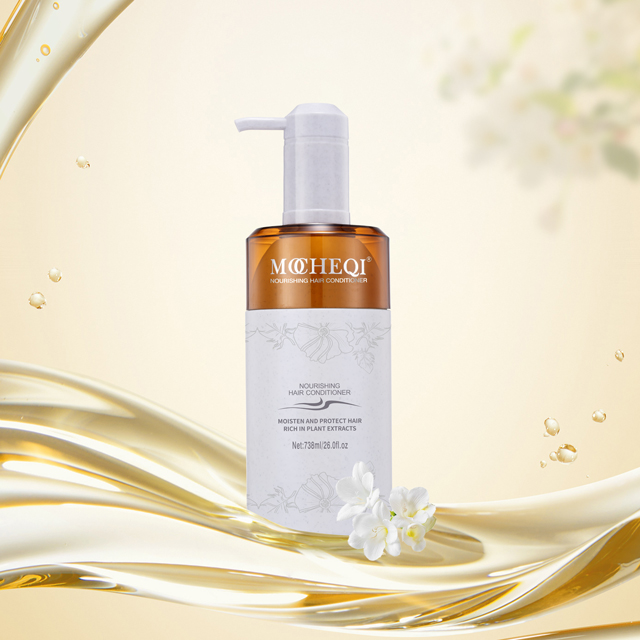
There is no single correct contact time for every hair conditioner. Check the specific product label first. Rinse-out, leave-in and deep-conditioning products have different directions; a product intended to be rinsed out should not be treated as a leave-in.
| Conditioner Type | Timing Rule |
|---|---|
| Rinse-out | Use the label’s contact time, then rinse. |
| Leave-in | Leave on only when the product is formulated and labeled for that use. |
| Deep treatment | Follow its stated time and any heat or rinsing instructions. |
For rinse-out conditioner, use the contact time on the label.
For deep treatments, follow the specific timing and rinsing instructions.
Always check the product instructions for how long to use it. Change your routine if your hair needs something different. This helps you get the best results.
Apply rinse-out conditioner as directed and rinse after its stated contact time. Do not extend the time simply because another product recommends a longer treatment.
Tip: Always check the instructions on your bottle. Some brands may suggest a slightly different time.
Here’s a quick guide:
| Contact Time | How to Decide |
|---|---|
| The time printed on your product | Check directions before use; there is no universal minute count for all rinse-out conditioners. |
Leave-in Hair Conditioner is different from rinse-out types. You don’t wash it out. You apply it to damp hair and let it stay in all day. This helps keep your hair smooth and easy to style. You can use leave-in conditioner after every wash, especially if your hair feels dry or frizzy. Just remember, a little goes a long way. Too much can make your hair look greasy.
Use leave-in conditioner on towel-dried hair.
Focus on the ends and avoid the scalp.
Style your hair as usual.
Deep treatments vary by formula. Follow the stated contact time and any heat instructions; do not assume that a longer or overnight treatment is appropriate.
Use the contact time specified for that deep treatment.
Do not leave a deep treatment on overnight unless its directions specifically allow it.
Set frequency according to product directions and your routine, not a universal monthly schedule.
Note: The type of Hair Conditioner matters. Protein conditioners work best for damaged hair and should be used more often. Moisturizing conditioners are good for healthy hair and can be spaced out.
Here’s a table to help you choose:
| Product Type | Planning Note |
|---|---|
| Protein-containing treatment | Follow the specific product’s timing and frequency. |
| Moisturizing treatment | Follow its directions and consider how your hair feels afterward. |
Hair needs may affect product choice and amount, but do not replace the label’s contact-time instructions. For a different routine, choose a product designed for that use.
Tip: Your environment can change how your hair reacts to conditioner. Humid weather may make your hair feel heavier, so you might want to use less conditioner or rinse sooner.
For fine hair, consider product amount and where it is applied. Hair type alone does not determine the conditioner’s contact time.
Tip: Hormonal changes as you age can make your hair thinner. You might need to adjust how much conditioner you use or how long you leave it in.
Curly hair may need a different conditioning routine. Select a suitable formula and follow its directions rather than automatically leaving it on longer.
Curly hair texture can change with age or hormones.
Thinner hair may lose its curl, so you might need to change your routine.
For damaged hair, select an appropriate treatment and follow its timing. Do not infer that every deep conditioner needs the same number of minutes.
Do not extend treatment beyond its instructions in an attempt to obtain extra repair benefits.
If your hair is very dry or damaged, use deep treatments up to four times a month.
Changes in your hair may call for a different formula or amount. Continue to follow the selected product’s timing instructions.
Remember: Oily hair types need less moisturizing conditioner. Sometimes, you can even apply conditioner before shampooing to avoid buildup.
Using too much product or not rinsing a rinse-out formula as directed can leave residue. If your hair feels heavy, review the amount and application instructions.
Product residue can make hair feel heavy; rinse products intended to be rinsed out.
Hair may look dull and lose its shine.
You might feel your hair getting rough or sticky.
If you have fine hair, buildup can make your hair look flat. Curly hair may lose its bounce. Damaged hair can feel even weaker.
Tip: Choose a cleansing routine suitable for your hair and follow the shampoo’s directions rather than a fixed monthly schedule.
Scalp discomfort should not be explained simply as a scalp that cannot breathe. Follow application directions and seek professional advice for persistent itching, redness or flaking.
Chemicals in conditioner can irritate sensitive scalps.
Do not self-diagnose a scalp condition from residue alone.
You might notice more flakes or dry patches.
Rinse rinse-out products as directed. Persistent scalp discomfort should be assessed by a qualified healthcare professional.
Not following the timing instructions can give you poor results. If you rinse too soon, your hair may stay dry and frizzy. If you wait too long, your hair can get limp or sticky.
Excess moisture can weaken hair fibers over time.
Do not assume that product residue proves a cause of hair loss or impaired growth.
Hair strands may rub together and break more easily.
Note: Always check your conditioner’s label. Adjust your routine if your hair feels heavy, itchy, or dry. Healthy hair starts with smart timing!

Getting your hair ready makes a big difference. Start by washing with a clarifying shampoo if you notice buildup. This clears away old products and lets conditioner soak in better. Skip heavy oils before conditioning because they can block the conditioner from working.
Here’s how you can apply conditioner for the best results:
Squeeze out extra water after shampooing.
Use a coin-sized amount for short hair or a quarter-sized amount for longer hair.
Start at the mid-lengths and work down to the ends. Keep conditioner away from your roots.
Spread the conditioner evenly with your fingers or a wide-tooth comb.
Pro tip: Detangle your hair while the conditioner is on. This helps prevent breakage and makes your hair smoother.
Use the contact time printed on your product. Rinse-out conditioners and deep treatments are not interchangeable, and leaving a product on longer is not automatically better.
When you’re ready, rinse with cool or lukewarm water. This seals the cuticle and locks in moisture. Make sure you rinse out all the product so your hair feels light and clean.
Focus on the ends, not the scalp, to avoid flat hair.
Follow the shampoo’s own directions; a fixed monthly clarifying routine is not necessary for every hair type.
Don’t leave conditioner in overnight unless the product says it’s safe.
Try an in-shower treatment if your hair needs extra care.
Remember: Small changes in your routine can lead to healthier, shinier hair!
Now you know how long to keep conditioner in your hair. The right time depends on your hair and the product you pick. Look at this table for some easy expert advice:
| Routine Choice | What Matters |
|---|---|
| After-shampoo conditioning | Use the selected product’s directions. |
| Leave-in care | Choose a labeled leave-in rather than leaving rinse-out conditioner on. |
| Deep treatment | Follow its stated contact time and frequency. |
Keep these tips in mind:
Put conditioner on after you wash your hair.
Conditioner makes hair easier to comb and keeps it soft.
For fine hair, only use it on the ends.
If your hair is dry or curly, cover all your hair.
Want your hair to stay healthy? Always read the instructions on your product. Change your routine if your hair starts to feel different.
Only leave a product on overnight if its own directions permit that use. Rinse-out and leave-in formulas are different.
If you skip rinsing, your hair may feel greasy or heavy. Product can build up and make your scalp itchy.
You can use Hair Conditioner every time you wash your hair. If your hair feels oily, try using it less often.
Further reading: American Academy of Dermatology: Healthy hair tips; Leave-in and rinse-out conditioner are different products. Read our guide to using leave-in conditioner on dry hair, or explore professional shampoo and conditioner supply.


